Devotional
The Quiet Yes
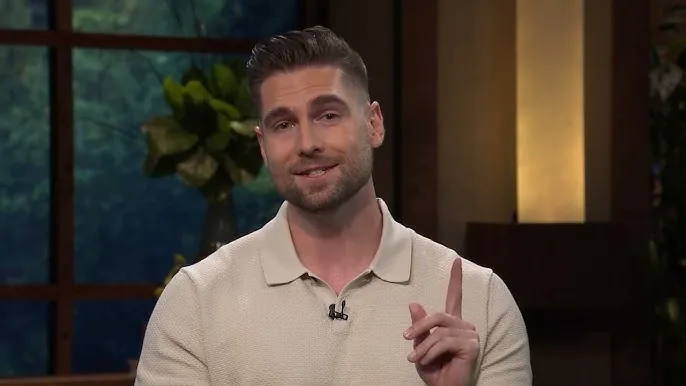
Colby Mayer
Pastor, writer
May 4, 2026 · 5 min read
5 min read
There is a kind of obedience that doesn't require an announcement. It happens in a room nobody is watching. It looks like turning off a notification, or texting back the friend you've been avoiding, or staying in the chair when leaving would be easier.
I used to think the dramatic yes mattered most — the altar call, the mission trip, the public confession. Those moments are real. But the longer I walk with God, the more I'm convinced the Christian life is built quietly. It is the sum of ten thousand small yeses no one will ever remember.
The texture of obedience
Read the Gospels and you'll notice how often Jesus rewarded the unspectacular. The woman who put two coins in the offering. The boy with the loaves. The Samaritan who stopped on the road. None of these were trying to be seen. They were simply present, and they said yes to the small thing that was theirs to do.
Most of us are waiting for our calling. But the calling is usually whatever is in front of you right now — the hard conversation, the boring task, the friend who needs a meal.
What the quiet yes is not
The quiet yes is not a perfectionist yes. It does not demand that you have it all figured out. It does not require that you feel especially spiritual. It only asks that, in this moment, you would not turn away from the love that is offered to you, and that you would extend that love forward in the smallest way you can.
"He who is faithful in little is faithful also in much." — Luke 16:10
A practice
Tonight, before you sleep, ask the Lord one question: Where did you nudge me today, and what did I do with it? You don't have to fix anything. You only have to notice. Noticing is itself a kind of obedience.
The Christian life is not held together by big moments. It is held together by Christ, in whom your life is hidden, who is patient with us — and who delights, again and again, in our quiet yes.
Continue in the app
Interpret this passage in the app.
Tap any verse for context, cross-references, commentary, and a pastoral take you can keep coming back to.